THE SHORE CONFERENCE IS PAYING THE PRICE
WHY IS THE SHORE DOWN THIS YEAR?
The future is bright. But the Shore has to live in the present.
Next year, the Shore Conference could have more talent than it has had in 15 years. The amount of young talent coming into the conference is stunning.But that’s next year. What about now?
Why is the Shore potentially looking at a historic low of just four teams in the state Top 20?
Honestly, I don’t think it’s that complicated.
START WITH THE 2027 CLASS
Let’s start with the biggest issue: the 2027 class.
In my opinion, this is one of the weakest senior classes the Shore has produced in recent history—and it’s almost shocking considering how much talent and attention surrounded this group when they entered high school.
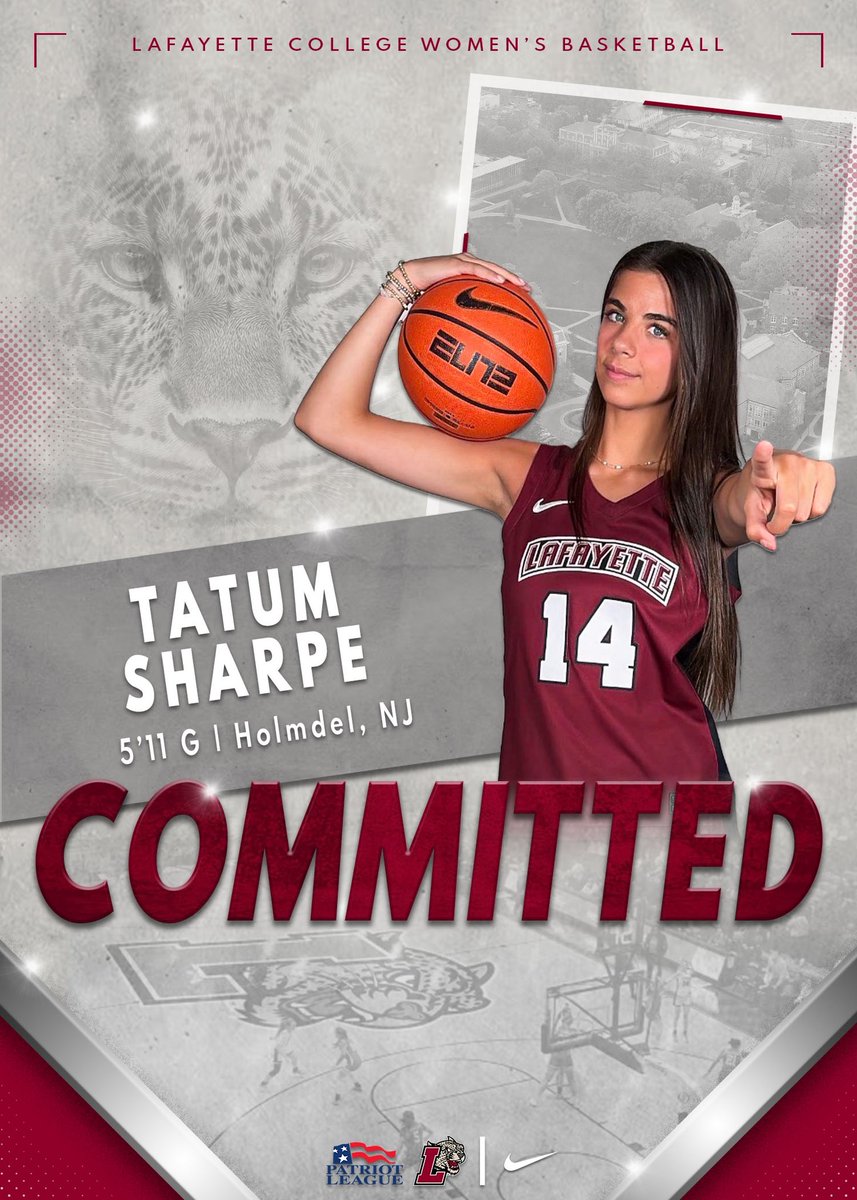
As of today, there is essentially one Division I player in the class.
That wasn’t what people expected four years ago.
This group entered high school with big reputations. There was talent. There was attention. There were expectations.But somewhere along the way, development took a back seat to attention. Too many players became focused on being seen rather than getting better. Some trusted inexperienced inner circles. Some ended up in training environments that simply weren’t good enough. And when development slows down during the most important years of a player’s growth, the results eventually show.
Then there is the parent factor.
Sometimes parents become too involved in the process. Too much outside influence can make it difficult for a young player to hear the truth, identify weaknesses and do the work necessary to fix them. Youth basketball is supposed to be about development first. The Shore lost some of that.
THE DECLINE OF THE POWER PROGRAMS
The second issue is the decline of several programs that once made the Shore Conference so powerful.
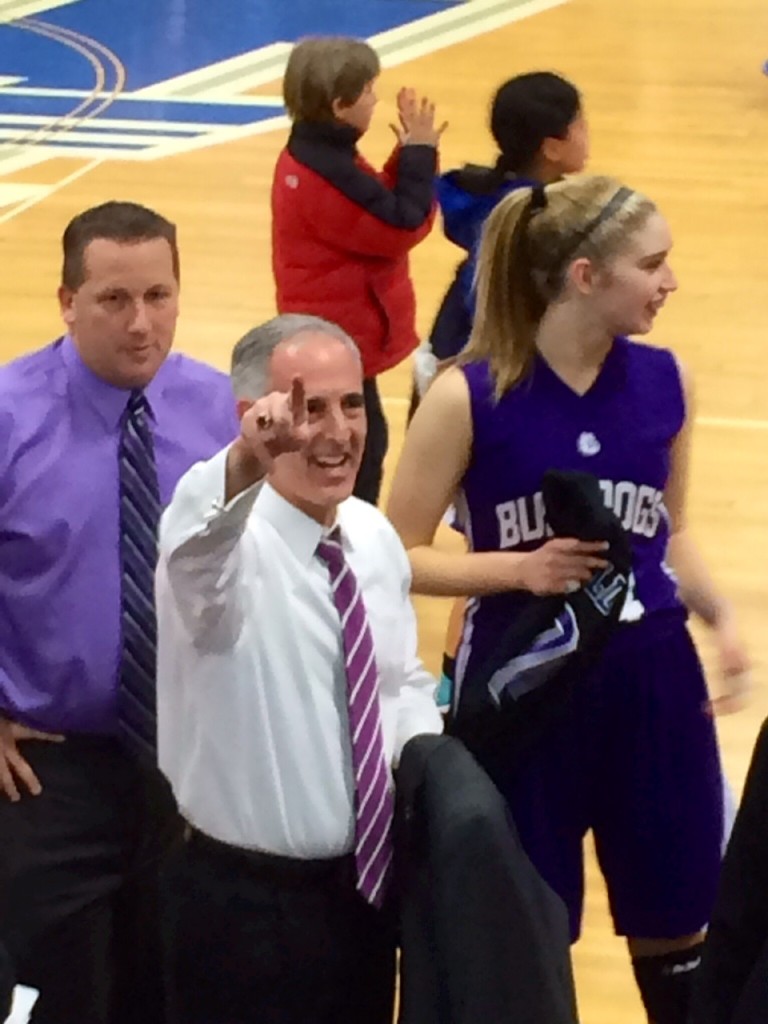
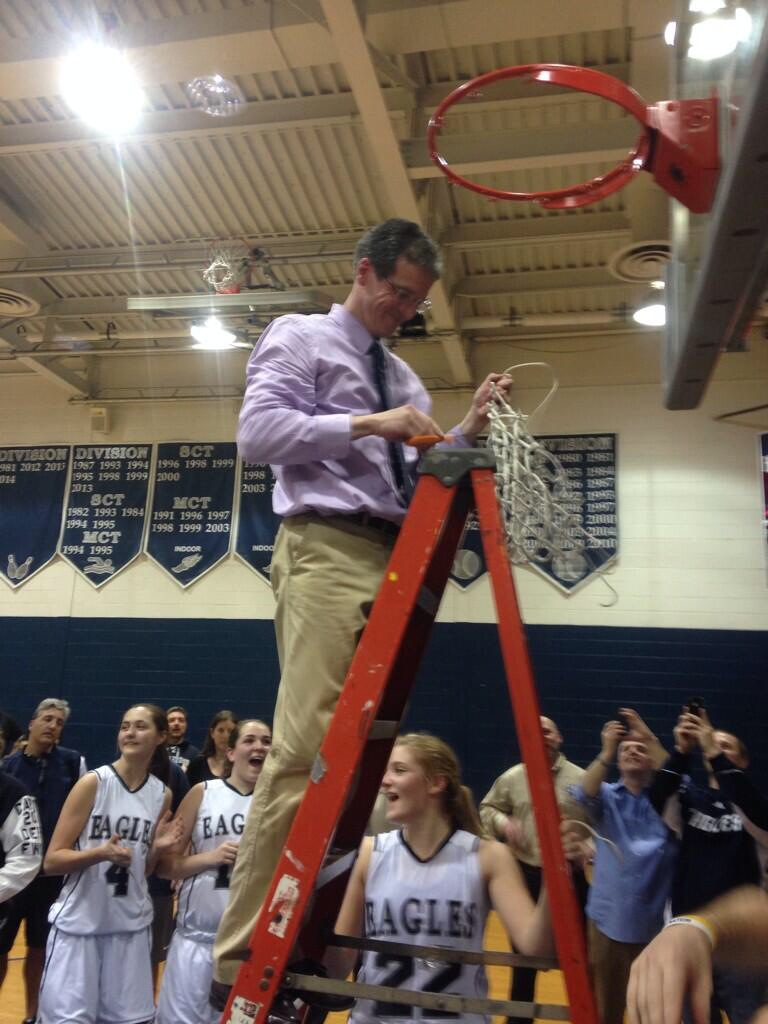
Look at Rumson-Fair Haven. Coach Dave Callahan did a wonderful job taking over after legendary coach George Sourlis, one the best in girls or boys in high school basketball history. Coach Cal was asked to do a impossible job and over the years found a way keep RFH relevant. But over time, the talent level at RFH dwindled. RFH stopped producing multiple Division I players. They stopped being the state power they once were. This has been one of the biggest blows to Shore girls basketball.
Jeff Billet now takes over the RFH program, and there is certainly an opportunity to rebuild. But the reality is that RFH is no longer competing with the elite programs the way it once did. And that decline didn’t happen overnight. It has taken years, 10 years to be exact. A lack of elite talent, gym rats and consistent youth development eventually catches up with even the strongest programs.
LOOK AT THE OTHER TRADITIONAL POWERS
For years, the Shore had programs that could consistently put Division I talent on the floor.
Marlboro played one of the toughest schedules in New Jersey and seemed to always have a D1 player—or two.
Middletown South routinely had Division I talent and was a Top 20 team. They had gym rats. They had highly competitive players. Tom Brennan was considered one of the best coaches in the entire state.
Holmdel regularly produced multiple D1 players and competed with the best.
Manchester won Shore Conference Tournament and state championships. They always had a dominate player.
Jackson Memorial consistently had talent and was capable of being a Top 10 team and won state titles and had D1 player.
Now look at those programs. The talent level has fallen dramatically. Many of today’s players are two-sport athletes. They’re tough kids. They’re competitive. They’re hard-nosed. But basketball is no longer necessarily their primary sport. And when enough programs lose their elite basketball players, the entire conference feels it.
THE AAU AND TRAINING PROBLEM
Then there is training and AAU.
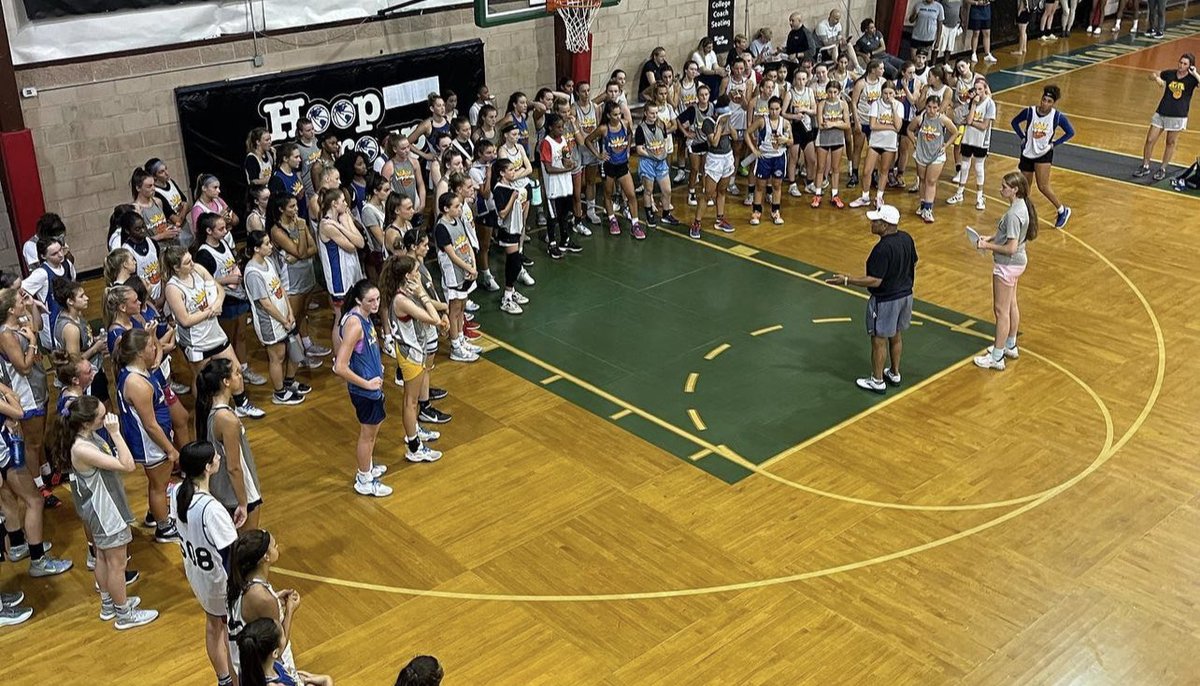
For years, there were relatively few places for Shore players to train. The best players were concentrated in a smaller number of environments. Competition was concentrated. Players saw each other constantly.The Shore had an advantage.
Shore players historically trained more and played less. Meanwhile, much of the rest of the state played more and trained less. That balance has changed. Now Shore players are playing more AAU and, in many cases, training less. Many if not most are drilled out when they decided to train. And the competition has become diluted.
There are trainers everywhere. There are teams everywhere. There are opportunities everywhere. That sounds like a good thing. But more opportunities don’t automatically mean better development. Now we’re seeing third- and fourth-graders playing extensive AAU basketball.
The question shouldn’t be How much basketball can we put into a kid’s schedule?
The question should be:
How much quality development are we actually getting?
Those are two completely different things.

THE SHORE IS PAYING THE PRICE
Put all of these things together and you have what we’re seeing today. The Shore Conference is no longer automatically the best girls basketball conference in America. There is now a legitimate debate about whether the Shore is still the best conference in New Jersey. A year ago, that conversation would have sounded ridiculous.Today, it doesn’t. That’s how quickly things can change.
BUT HERE COMES THE GOOD NEWS
The Shore isn’t finished.
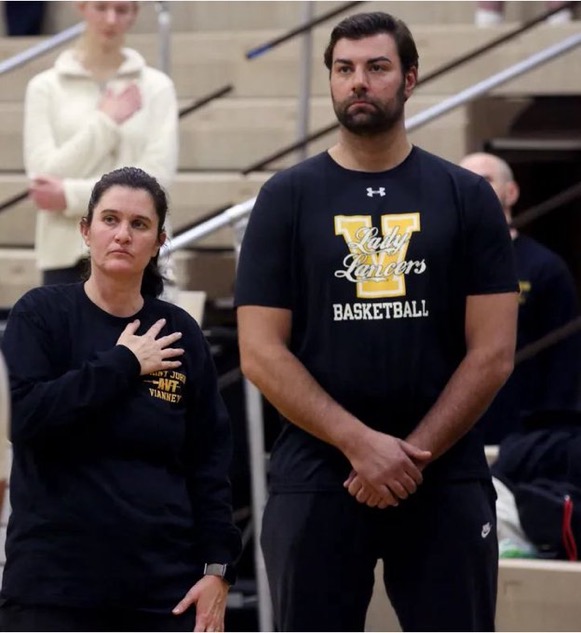
Not even close. In fact, I think the conference is about to make a major comeback. The Shore just added three outstanding coaches who could change the landscape of multiple programs.
Dan Werner at Middletown South brings energy, credibility and the ability to convince talented players to stay home. His daughter may already be the best seventh grader in the state, and his two younger daughters are talented as well.
Howell’s new coach, Jim Carwell, has the opportunity to build something special. If he establishes a legitimate youth-development pipeline, Howell could become a completely different program. He will be one of the best young coaches in the state right out of the gate.
Then there is John Truhan at Marlboro. His track record speaks for itself.
All three programs have a chance to make a significant jump. And I believe they will.
NEXT YEAR COULD BE SPECIAL
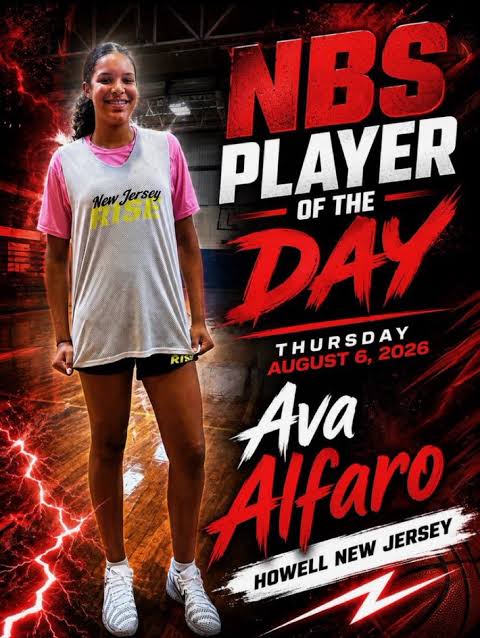
The amount of talent entering the Shore next year is almost hard to believe.
But talent isn’t the only reason I’m optimistic. These players are gym rats. They love basketball. They want to work. And perhaps just as importantly, they have parents who, from what I’ve seen, are staying out of the drama and allowing the kids to develop. Combine that incoming talent with the current 2028 class, which I believe has approximately 14 legitimate Division I-level players, and suddenly the picture looks completely different. The Shore could go from struggling to reload to becoming the deepest conference in the country.
But that’s next year.
This year, the Shore has to pay the bill for some of the mistakes of the past.
The good news?
The bill is almost paid.
And if the young talent develops the way I believe it will, the Shore Conference is coming back—and it could come back in a big way.
FALL TRAINING STARTS TODAY