

PARENTS DON’T HAVE A CHANCE!
I remember sitting in a Hoop Group meeting years ago. Rob Kennedy, the CEO of Hoop Group, was leading the discussion. We were talking about new ideas, new ways to grow the organization, and where youth basketball was headed. Then one of the coaches suggested something that, at the time, sounded almost crazy. He said Hoop Group should start ranking players. Not high school players. Fifth and sixth graders. The thinking was simple: Parents would want their kids ranked. Kids would want to see their names. Hoop Group could charge the public to access the rankings. It was a business idea.

Rob Kennedy didn’t hesitate.
He said, “We will never get to that point or ever start ranking kids that young. It’s a total money grab, and we are above that.”
The room went quiet. And we moved on. Seven years later, ranking elementary and middle-school players has become almost normal across the country. And that one moment sticks with me because it represents how dramatically youth basketball has changed.
PARENTS DON’T HAVE A CHANCE ANYMORE
They’re trying to make the biggest decisions of their children’s basketball lives while being bombarded with information from people who have something to sell them.
Rankings.
AAU teams.
Camps.
Showcases.
Training.
Social media.
Offers.
Exposure.
Reclassification.

Everybody has an opinion. Everybody has an answer. Everybody seems to have an agenda. So when a parent asks me for advice, I already understand something. Most of the time, they aren’t really asking for advice. They’re looking for confirmation. They’ve already made up their mind. They want me to tell them the decision they made is the right one. That’s something I won’t do. I’ll tell them what I believe is the truth. And sometimes the truth isn’t what they want to hear. I understand why. Parents don’t know who to trust. And honestly, can you blame them?
WHEN BASKETBALL STOPPED BEING A GAME
Not that long ago, winter basketball was different. Kids played for their local town teams. They played recreation basketball. They played CYO. They played with their friends. They went to birthday parties. They spent time with their families. They were kids. Then somebody discovered something.
Parents love bragging.
And there may be nothing easier to brag about than saying: “My daughter plays AAU.” Suddenly, winter AAU became a thing. Then year-round basketball became a thing. Then rankings became a thing.Then showcases became a thing. Then kids were expected to train constantly. Basketball stopped being something kids played. It became something kids were expected to build a résumé around.
The AAU world will tell you that year-round basketball has always been necessary for development. History says otherwise. There were plenty of outstanding players before 10-year-olds were playing basketball twelve months a year. The difference wasn’t necessarily talent. The difference was that somebody allowed them to develop.

THE SUPER TEAM THAT WAS SUPPOSED TO CHANGE EVERYTHING
About six years ago, an elite group of eighth graders was put together. They played on the MADE Hoops Tour. They were talented. Really talented. The expectation was that this was going to be the team of the future. I looked at those kids and thought something completely different. I thought they needed to elevate their skills, play less and train more and drill their weaknesses. They needed to develop. They needed to work on the things that weren’t already good, THIS IS WHAT THEY SHOULD BE DOING IN THE WINTER. They needed time. Instead, the adults around them bought into the idea that being part of an elite team was development.
*Being on the team became the accomplishment.
*Being recognized became the accomplishment.
*Being perceived as one of the best became the accomplishment.
*The parents drank the Kool-Aid.
Today?
Those same players are playing Division III basketball, with one reportedly reclassifying in hopes of finding a Power Four opportunity. That’s not an indictment of D3 basketball. D3 is college basketball, and there are tremendous academic opportunities there. The problem is the gap between what everyone believed was inevitable when those kids were 7th/ eighth graders and where they ultimately landed. Back then, P4 basketball seemed almost guaranteed for one of them and D1 was a real, almost guaranteed for the others. Today, those thoughts are long gone.
What happened? I believe development got lost somewhere between the rankings, the hype, the tournaments and the desire to be seen as elite. The parents never had a chance.
THEN THERE WAS THE PRIDE
There was another team called the PRIDE. They had one of the best eighth graders in the state. The team was loaded. There were players on that roster with enormous potential. Again, the adults decided to build a super team. Again, the expectations became enormous. Today, the star player has unfortunately dealt with injuries and other issues that have slowed her progress. Other members of that team have largely disappeared from the recruiting conversation. They’re in high school switched AAU teams and trying to restart their basketball careers, trying to live off past reputations. That doesn’t mean they’re bad players. It means the path they were on didn’t produce what everyone expected. And once again, I look back and think:
**Did the kids fail?
Or did the adults fail to give them the environment they needed?**
THE 2029 SHORESHOTS STORY
Then came the 2029 ShoreShots group. As seventh and eighth graders, they looked like the next “IT” team. They had name recognition. They were winning enough. They were developing. They were making what appeared to be all the right moves. But it wasn’t enough because something funny started happening. People started telling kids they needed to play with “better players.”
I heard things like Ella Kryal was “too slow to play with, she hold you back” No she was gaining too much attention and a few outsiders didn’t like it. Then the parents started fighting. Little things become big things. And before the players ever played a high school game together, the team blew up. And when the team disappeared, something else disappeared with it.
The name
Coaches stopped asking about “that young ShoreShots crew.”
The recognition disappeared.
The recruiting momentum became a distant memory.
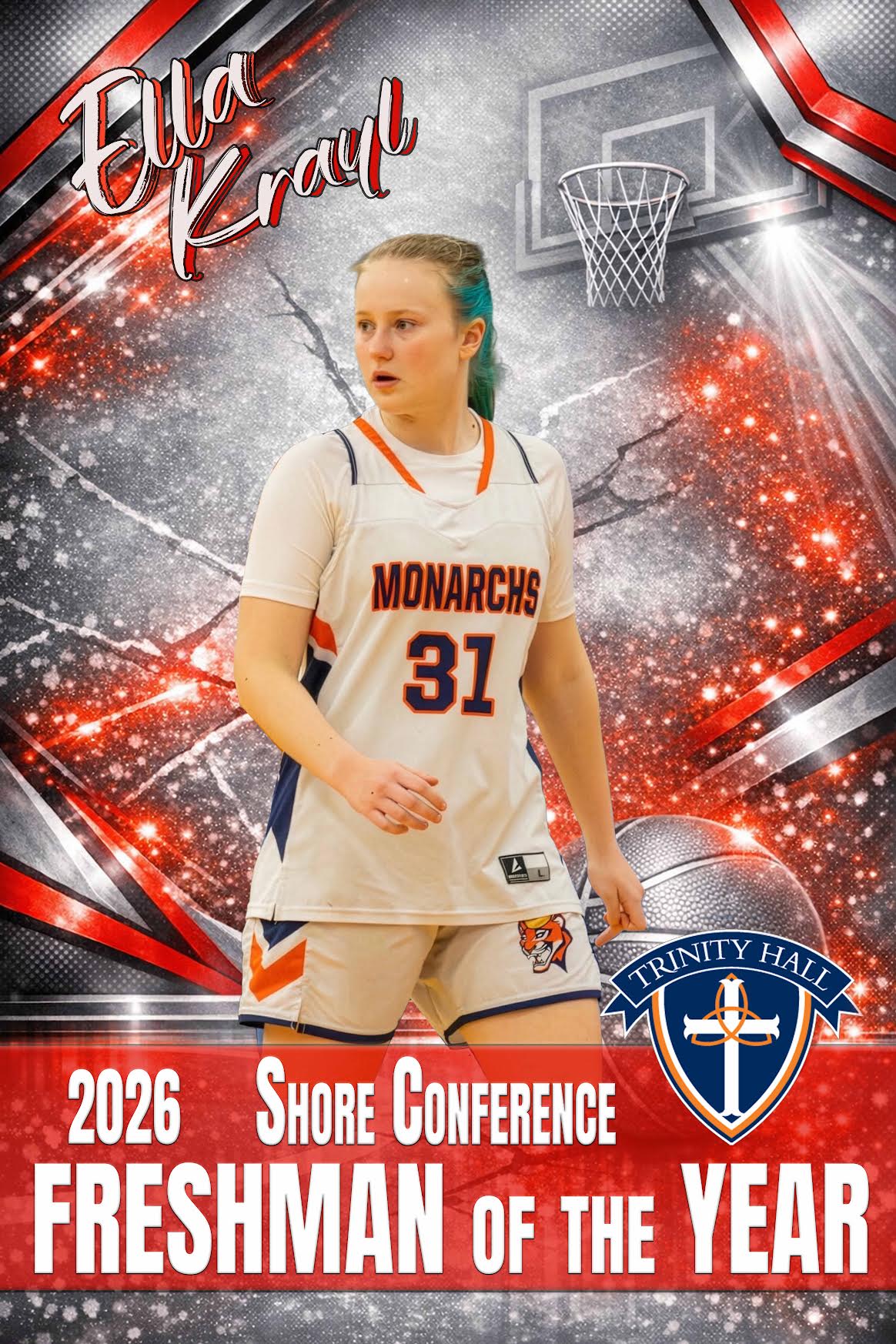
Today, many of those players have found new homes and truefully are not having great success. They are fighting to re-establish themselves as they approach the most important part of their recruiting journey. Ella Kryal is the lone exception. She went on to become Shore Conference Freshman of the Year and has legitimate Division I recruiting interest. That’s important. Because it proves something.
The individual player can survive the system. But not every kid does. And once again, I think about the parents. They never had a chance.
AND IT DOESN’T STOP WITH AAU
I’ve watched highly recruited players end up in situations that seemed almost impossible to imagine. A player on one of the best high school teams in the state. A player in what appeared to be the perfect AAU environment. Multiple major offers. The NIL dream. Everything seemed lined up. Then came an AAU change. She needed to play EYBL, it was important to her for reasons only she will ever know. So she left and found a new EYBL team. Playing time disappeared. Recruiting interest disappeared. Offers disappeared. Eventually, the situation became almost impossible to repair or watch. Now that player has transferred high schools and is reclassifying. You can debate every decision. You can debate the player. You can debate the parents. You can debate the coaches. But here’s what I know:
The parents were trying to make decisions in an environment where nobody could tell them what was real anymore.

THE QUESTIONS PARENTS SHOULD BE ASKING
I could give you story after story. I could tell you about St. Thomas Aquinas looking like a potential state championship team. I could tell you about players transferring. I could tell you about their reclassification. I could tell you about coaches learning about major decisions through social media. But it wouldn’t change anything. Because parents are going to make their own decisions. They should. It’s their child. But before they make those decisions, I wish more parents would ask harder questions.
Not:
“How good is this team?”
Ask:
“Do kids in this program actually develop into successful college players?”
Not:
“How many tournaments do you play?”
Ask:
“Do the players get meaningful development?”
Not:
“How much exposure will my daughter get?”
Ask:
“What has happened to the players who came before her?”
Ask:
“Where did they go to college?” Did they have success at the next level?
Ask:
“How many players actually received opportunities because of this program or is it just the stars?”
Ask:
“Who is doing the training?”
Ask:
“What is that trainer’s background?”
Ask:
“Where have they coached?”
And here’s a big one:
“Does the organization control the training?”
Because there is a difference between developing a player and creating a business ecosystem where every service is provided by the same organization. Parents need to understand the difference.

THE RECRUITING CLOCK IS COMING
It’s that time of year again. Another group of high school seniors is finishing its recruiting journey. Some will see their dreams come true. A small number will play Division I basketball. Some will receive Division II scholarships. They are blessed. Others will play Division III basketball and receive an education while continuing to play the game they love. And here’s something parents need to remember:
There is a place for almost every kid in college basketball if they want to continue playing. You don’t have to be the best player in your high school. You don’t have to be on the best team. You don’t have to be ranked in 7th grade. You don’t have to play on the most famous or best AAU team. You don’t have to have 10,000 followers. There are opportunities. But finding the right opportunity is becoming harder because the amount of information has exploded while the amount of truth hasn’t.
That’s the problem.
Today we have fifth graders jumping from team to team. Sixth graders being recruited. Seventh graders worrying about rankings and perception. Parents worrying about wins and losses. Kids worrying about whether they’re playing with “good enough” players. AAU coaches calling parents of elementary-school children. And everyone is being told that the next decision is the decision that will determine their future.
It isn’t.
A child’s basketball future is not decided in fifth grade. It isn’t decided by a ranking. It isn’t decided by an AAU jersey. It isn’t decided by a tournament championship. And it certainly isn’t decided by somebody’s social-media post. Development takes time. learning to deal with adversity when your young. The problem is that the basketball industry has discovered that patience doesn’t sell nearly as well as urgency.
“Your child needs to play here now.”
“Your child needs this tournament.”
“Your child needs this ranking.”
“Your child needs this trainer.”
“Your child needs this team.”
Fear sells. Status sells. Recognition sells. And parents are caught in the middle. That’s why I keep going back to that Hoop Group meeting. Seven years before youth rankings became the norm, Rob Kennedy looked at the idea and said:
“We’re above that”. Maybe that’s the lesson.
Maybe youth basketball needs more adults willing to say no to something that makes money but isn’t necessarily good for kids. Because at the end of the day, these aren’t businesses on a spreadsheet. They’re children. And parents are trying desperately to make the right decisions for them.
But today? With all the rankings, all the teams, all the tournaments, all the trainers, all the promises and all the noise…
Parents don’t have a chance. Unless somebody starts telling them the truth again.
