
The UAA: What Makes It Different From Most Division III Basketball.
It really shocks me at times when people don’t understand D3 basketball. They don’t understand there are levels to D3 basketball. Just like in D1. When people hear Division III basketball, they sometimes make assumptions.
No scholarships.
Smaller programs.
Less athleticism.
Less intensity.
Less basketball.
That description completely misses what conferences like University Athletic Association is for example.
The UAA is Division III. But basketball-wise, it operates in a very different world from what most people picture when they hear D3.
The philosophy is at the heart of what makes UAA basketball different.
THE TALENT IS DIFFERENT
Look at the schools.
NYU.
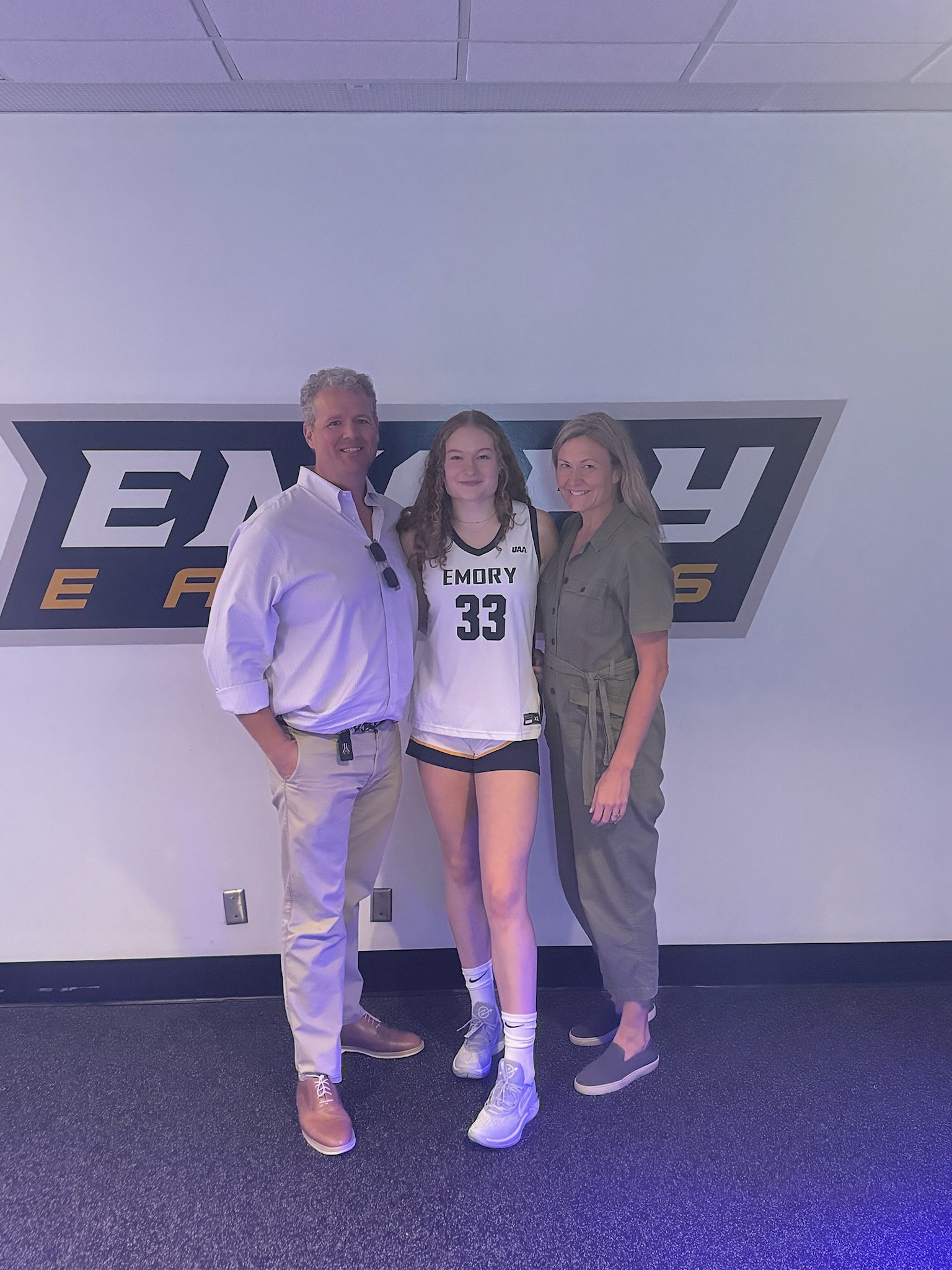
Emory.
University of Chicago.
Washington University in St. Louis.
University of Rochester.
Brandeis.
Carnegie Mellon.
Case Western Reserve.
These aren’t schools that accidentally ended up in the same basketball conference. Much like the Patriot League and IVY LEAGUE . They were brought together because they shared a very specific institutional profile: highly selective universities with strong academic missions and the ability to support serious athletics.
That creates a unique recruiting pool. The coaches aren’t simply looking for athletes. They’re looking for student-athletes who can handle the academic requirements of these universities AND compete at a high level.
That combination shrinks the recruiting pool dramatically and when the recruiting pool gets smaller, the competition inside that pool gets tougher.
THERE ARE NO EASY NIGHTS
This is probably the biggest basketball difference. In many conferences, a talented team can find a few games during the season where it can breathe.
The UAA is different. You aren’t just playing for a record. You’re playing against teams that are pursuing the same objective. And because the conference is so geographically spread out, UAA basketball also requires significant travel. The league’s members are located from New York and Boston to Chicago, Atlanta, St. Louis, Pittsburgh and Cleveland.
That makes the league unusual.
THE PHYSICALITY
The other thing that separates high-level UAA basketball is the physical nature of the game.
Players are bigger, stronger and more skilled than many people expect when they hear “Division III.” When watching games in the conference, you immediately realize you are watching a D1 level of basketball. There is less room for a player who can only do one thing. This is not typical D3 basketball conference. There are no one trick ponies.
If you’re a scorer, you better be able to defend.
If you’re a point guard, you better be able to handle pressure.
If you’re a shooter, you better understand how to play when somebody takes your shot away.
If you’re a big, you better be able to defend multiple actions.
The game exposes weaknesses.
That’s what good basketball does.
YOU BETTER KNOW HOW TO PLAY
This is where I think the UAA separates itself.
There are plenty of talented basketball players.
But UAA basketball puts a premium on basketball players.
Players who understand spacing.
Players who can make the second and third read.
Players who don’t need the ball every possession.
Players who can defend.
Players who communicate.
Players who make winning plays that don’t show up in the box score.
That’s a different kind of talent. If you want to win this conference. You better have a boat load off D1 players on your roster. Players who have walked away from D1 offers. Players who don’t play basketball as a recreation sport. This is an entire different level of D3. These are D3 programs D1 school fear and never put on their schedule. And it’s one reason a player who dominates ordinary competition can suddenly discover that the game moves much faster when they reach this level.
THE ACADEMICS CHANGE THE PLAYER POOL
Here’s the part people don’t understand.
The academic component isn’t separate from the basketball.
It actually helps shape the basketball.
The UAA schools are academically demanding institutions. The conference was intentionally built around schools with similar academic missions.
So the coach is looking for a very specific athlete:
Can you play?
Can you learn?
Can you manage your time?
Can you handle pressure?
Can you compete without being the center of attention?
That creates a different type of recruit.
And different recruits create a different type of basketball.
THE UAA IS DEVELOPMENTAL
There is another misconception.
A player doesn’t have to be a finished product at 17 or 18 years old to become a very good UAA player.
What matters is the ability to learn.
The ability to work.
The ability to handle coaching.
The ability to improve.
That’s why I wouldn’t look at the UAA simply as a place for players who couldn’t play Division I. That is a massive mistake made by the uninformed.
That’s too simplistic.
There are players who choose a UAA school because they want to combine elite academics with serious basketball.
That is a completely different recruiting decision.
LOOK AT THE 2026 CHAMPIONSHIP
And the results matter.
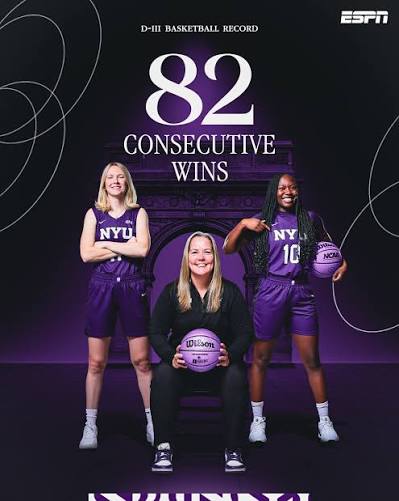
In the 2026 NCAA Division III men’s championship, Emory reached the national championship game, ultimately losing to Mary Washington. NYU WOMEN didn’t lose a game for two years until losing this year in the title game. The broke UCLA’s all time winning streak of consecutive wins.
That tells you something.
UAA teams aren’t simply competing inside their conference.
They are capable of competing nationally.
And that’s the distinction.
D3 ON THE PAPERWORK
Here’s my bottom line:
The UAA is Division III on the paperwork.
But if you’re evaluating it strictly through a basketball lens, you have to look deeper.
The academics are elite.
The recruiting standards are high.
The players are talented.
The competition is consistent.
The coaching matters.
The games are physical.
And there is very little room for a player who isn’t willing to compete.
That’s why I believe families evaluating college basketball need to stop looking at the D1/D2/D3 label first.
Look at the program.
Look at the roster.
Look at the competition.
Look at the coach.
Look at player development.
Look at the academic environment.
Then decide whether the basketball is right for you.
Because the UAA proves something important:

Division III does not mean Division III basketball is automatically low-level basketball.
In the UAA, the label can be misleading.
D3 IN NAME.
HIGH-LEVEL BASKETBALL IN REALITY.
